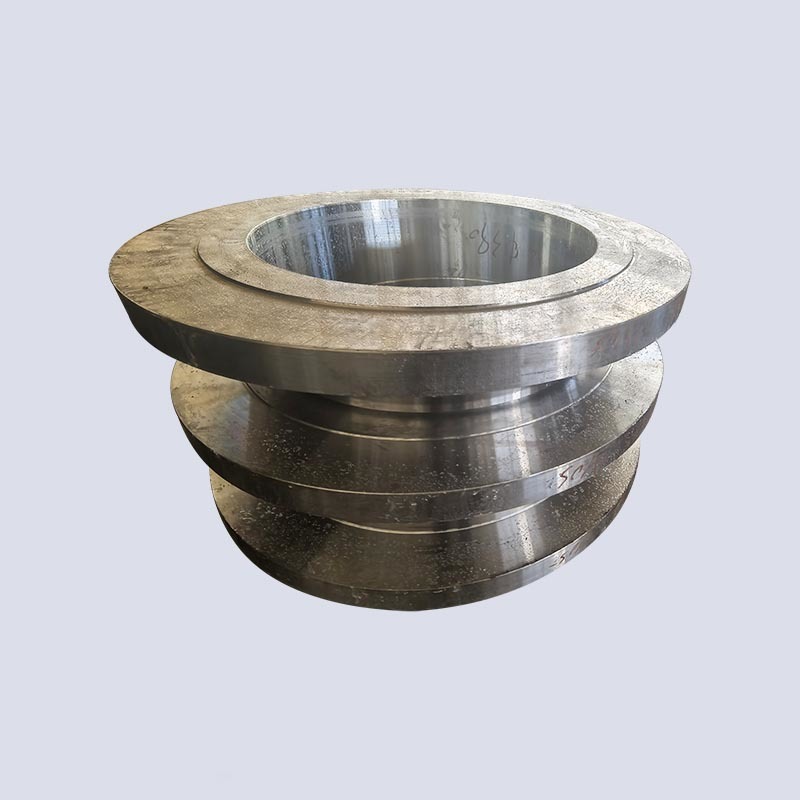
Understanding Special-Shaped Flanges: A Comprehensive Guide to Their Types, Applications, and Benefits
Understanding Special-Shaped Flanges: A Comprehensive Guide
Flanges are vital components in various industries, serving as connectors between pipes, valves, and other equipment. While traditional flanges are commonplace, special-shaped flanges offer unique solutions for diverse applications. This guide will provide an in-depth look at special-shaped flanges, their types, applications, and advantag
Aug 29,2025



Understanding Special-Shaped Flanges: A Comprehensive Guide
Flanges are vital components in various industries, serving as connectors between pipes, valves, and other equipment. While traditional flanges are commonplace, special-shaped flanges offer unique solutions for diverse applications. This guide will provide an in-depth look at special-shaped flanges, their types, applications, and advantages. Let’s delve into this crucial topic.
Table of Contents
- What Are Special-Shaped Flanges?
- Types of Special-Shaped Flanges
- Materials Used in Special-Shaped Flanges
- Applications of Special-Shaped Flanges
- Advantages of Special-Shaped Flanges
- Design Considerations for Special-Shaped Flanges
- Installation and Maintenance of Special-Shaped Flanges
- Frequently Asked Questions
What Are Special-Shaped Flanges?
Special-shaped flanges are custom-designed components that deviate from standard flange shapes to meet specific engineering requirements. Unlike traditional circular flanges, these flanges can take various forms, such as elbows, tees, and reductions, allowing them to fit uniquely configured systems. They are engineered to provide optimal performance and reliability in challenging environments, making them an essential part of industrial piping systems.
Types of Special-Shaped Flanges
The diverse demands of various industries have led to the development of several types of special-shaped flanges. Understanding these types helps in selecting the right flange for a specific application.
Elbow Flanges
Elbow flanges are designed to allow for changes in the direction of piping systems. These flanges are crucial when a piping layout requires a 90-degree or 45-degree turn. Available in various sizes, elbow flanges ensure smooth flow transitions, minimizing turbulence and pressure loss.
Tee Flanges
Tee flanges are utilized to create branches in pipe systems. They feature a T-shape, which facilitates the connection of three pipes. This is particularly useful in applications that require fluid distribution to multiple points simultaneously. Tee flanges come in different sizes and can be customized to fit specific piping requirements.
Reducing Flanges
Reducing flanges serve to connect pipes of varying diameters. When transitioning from a larger pipe to a smaller one, reducing flanges ensure a secure connection while maintaining flow efficiency. These flanges are essential in systems where space constraints or flow requirements dictate different pipe sizes.
Custom Flanges
In many cases, standard flanges may not suffice to meet certain design criteria. Custom flanges are tailored to meet specific sizes, shapes, and performance requirements. Whether it’s for unique pressure ratings or particular material specifications, custom flanges provide the flexibility needed for unique applications.
Materials Used in Special-Shaped Flanges
The choice of materials for special-shaped flanges is critical to their performance and longevity. Various materials are used based on the specific application requirements, including:
1. **Carbon Steel**: Commonly used for its strength and affordability, carbon steel flanges are suitable for low to moderate corrosion environments.
2. **Stainless Steel**: Known for its corrosion resistance, stainless steel flanges are ideal for high-pressure and high-temperature applications.
3. **Alloy Steel**: Often used in severe environments, alloy steel flanges offer superior strength and resistance to extreme conditions.
4. **Plastic and Composite Materials**: Used in industries where corrosion resistance is paramount, plastic flanges are lightweight and easy to install.
5. **Bronze and Brass**: These materials are often used in marine applications due to their excellent resistance to corrosion in saltwater environments.
Applications of Special-Shaped Flanges
Special-shaped flanges find applications across various industries, each necessitating specific performance characteristics. Some of the key sectors include:
1. **Oil and Gas**: In this industry, special-shaped flanges are essential for piping systems that transport crude oil, natural gas, and refined products, requiring durability and resistance to harsh conditions.
2. **Chemical Processing**: Specialized flanges are essential for transporting corrosive chemicals safely. Their ability to handle temperature and pressure fluctuations makes them ideal for this sector.
3. **Water Treatment**: Flanges used in water treatment plants must be resistant to corrosion and able to handle varying flow rates and pressures.
4. **Power Generation**: In power plants, special-shaped flanges connect various components, ensuring efficient energy production and distribution.
5. **Construction and Infrastructure**: These flanges are widely used in plumbing and HVAC systems, facilitating connections in complex installations.
Advantages of Special-Shaped Flanges
Opting for special-shaped flanges offers several key advantages:
1. **Versatility**: The ability to design flanges in different shapes and sizes makes them suitable for a wide range of applications.
2. **Improved Flow Efficiency**: Custom shapes can lead to better fluid dynamics, minimizing turbulence and enhancing flow rates.
3. **Enhanced Structural Integrity**: Special-shaped flanges can be designed to handle specific pressures and temperatures, improving the overall safety of the system.
4. **Space Optimization**: These flanges can help to maximize space in piping layouts, which is especially important in confined environments.
5. **Cost-Effectiveness**: While custom flanges may involve higher initial costs, their ability to reduce waste and maintenance can lead to long-term savings.
Design Considerations for Special-Shaped Flanges
When designing special-shaped flanges, several factors must be taken into account to ensure optimal performance:
1. **Pressure Ratings**: Flanges must be designed to withstand the maximum pressure of the system.
2. **Temperature Considerations**: The material selection should consider the operating temperature to prevent material degradation.
3. **Corrosion Resistance**: Choose materials that will withstand the specific corrosive environment they will be exposed to.
4. **Connection Types**: Ensure compatibility with existing piping systems, considering the connection styles (welded, threaded, etc.).
5. **Regulatory Compliance**: Adhere to industry standards and regulations to ensure safety and reliability.
Installation and Maintenance of Special-Shaped Flanges
Proper installation and maintenance of special-shaped flanges are critical to their performance and longevity. Here are key steps to follow:
1. **Preparation**: Ensure that the surfaces to be connected are clean and free from debris or rust.
2. **Alignment**: Properly align the flanges to avoid stresses that could lead to leaks or failures.
3. **Bolting**: Use the appropriate bolts and torque specifications to secure the flanges without over-tightening, which could cause damage.
4. **Routine Inspection**: Regularly inspect flanges for signs of wear, corrosion, or leaks to address issues promptly.
5. **Replacement**: Be proactive about replacing flanges that show significant wear or damage to prevent system failures.
Frequently Asked Questions
What are the benefits of using special-shaped flanges over standard flanges?
Special-shaped flanges offer versatility, improved flow efficiency, enhanced structural integrity, and the ability to optimize space in complex piping systems.
How do I determine if I need a custom flange?
If your application requires specific shapes, sizes, or performance characteristics that standard flanges can't provide, consider a custom flange.
What materials are best for special-shaped flanges in corrosive environments?
Stainless steel, plastic, and composite materials are ideal for corrosive environments due to their resistance to chemical degradation.
Can I use special-shaped flanges in high-pressure systems?
Yes, provided they are designed and manufactured to meet the specific pressure ratings required for those systems.
How often should I inspect special-shaped flanges?
Regular inspections should be conducted quarterly or after any significant changes in the system to ensure they remain in good condition.
Conclusion
In conclusion, understanding special-shaped flanges is crucial for anyone involved in industries that rely on piping systems. From their varying types and applications to the advantages they offer, special-shaped flanges play an essential role in connecting components efficiently and safely. By being informed about their design considerations and maintenance practices, professionals can ensure their systems operate smoothly and effectively. Whether for oil and gas, chemical processing, or construction, the right flange can make all the difference in performance and reliability.
Key words: