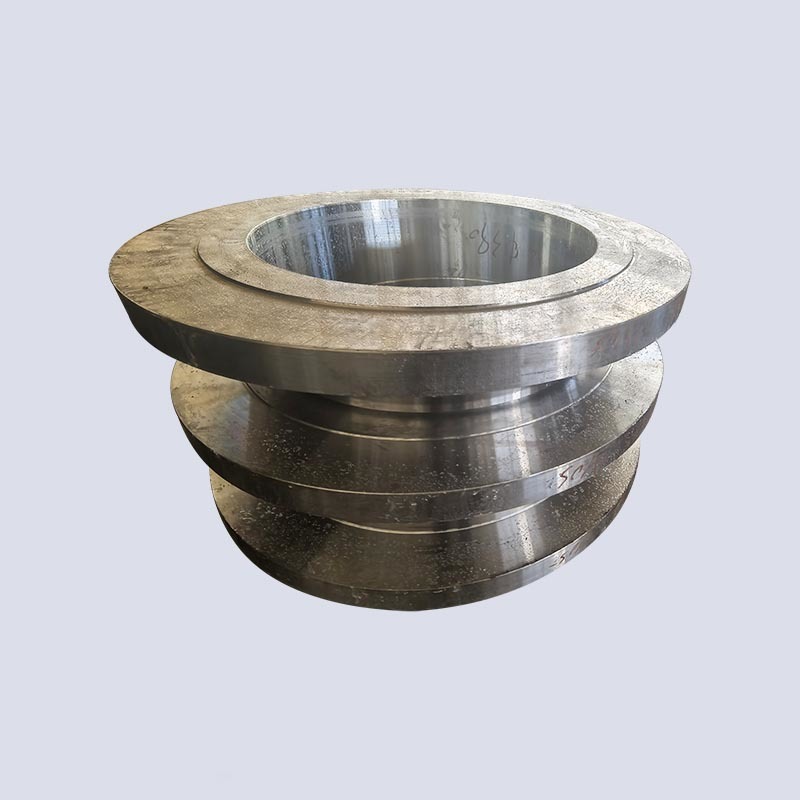
Double Dimensional Elbows: Your Comprehensive Guide to Selecting the Right Size
Oct 10,2025



Double Dimensional Elbows: Your Comprehensive Guide to Selecting the Right Size
When it comes to construction and decorative materials, understanding the nuances of each component is crucial for ensuring quality and efficiency in any project. One such element that plays a significant role in plumbing and piping systems is the double dimensional elbow. These fittings are essential for redirecting the flow of liquids and gases through pipes, making their size and specifications paramount for optimal functionality. In this guide, we will delve into everything you need to know about selecting the right size of double dimensional elbows, ensuring that you make informed choices that will enhance the performance of your installations.
Table of Contents
- What Are Double Dimensional Elbows?
- The Importance of Selecting the Right Size
- Criteria for Determining the Right Size
- Types of Double Dimensional Elbows
- Materials Used in Elbow Production
- Common Applications of Double Dimensional Elbows
- Installation Tips for Double Dimensional Elbows
- Maintaining Your Elbow Fittings
- Frequently Asked Questions
- Conclusion
What Are Double Dimensional Elbows?
Double dimensional elbows are specialized pipe fittings designed to facilitate the change of direction in piping systems. They typically feature two bends, allowing for more flexibility in routing pipes. These fittings are often used in plumbing, HVAC systems, and various industrial applications. Understanding the different dimensions and angles of these elbows is vital as they can significantly affect flow rates, pressure drops, and the overall efficiency of the system.
The Functionality of Double Dimensional Elbows
These fittings serve multiple purposes, such as:
- Redirecting Flow: Double dimensional elbows redirect the flow of fluid within a piping system, ensuring that it reaches its intended destination without obstruction.
- Minimizing Pressure Loss: Properly sized elbows help to maintain optimal pressure levels, reducing the chance of backflow or leaks.
- Enhancing System Efficiency: By ensuring that the flow is smooth and uninterrupted, these elbows contribute to the overall efficiency of the piping system.
The Importance of Selecting the Right Size
Selecting the right size for double dimensional elbows is critical for several reasons:
- Flow Efficiency: Incorrectly sized elbows can lead to turbulent flow, which may cause increased friction and pressure drops that compromise the performance of the entire system.
- System Longevity: Proper sizing minimizes the risk of wear and tear, thus extending the lifespan of both the elbows and the piping system.
- Safety Issues: Inadequate sizing can lead to leaks or system failures, posing safety hazards in industrial and residential settings.
Criteria for Determining the Right Size
To select the right size for your double dimensional elbows, consider the following criteria:
1. Pipe Diameter
The diameter of the pipe you are working with is the first measurement to consider. Double dimensional elbows are typically designed to match standard pipe diameters (e.g., 1", 2", 3"). Ensure that the elbow fitting matches the diameter of your existing piping to avoid compatibility issues.
2. Bend Angle
Double dimensional elbows come in various bend angles, such as 45 degrees and 90 degrees. The angle of the bend will influence the flow characteristics of the system. Determine the required angle based on the layout of your piping system to ensure efficient flow.
3. Wall Thickness
Wall thickness can vary significantly among elbow fittings. Thicker walls provide increased durability and resistance to pressure, making them ideal for high-stress environments. Select elbows that offer appropriate wall thickness for your specific application.
4. Application Requirements
Consider the specific requirements of your application, such as temperature and pressure conditions, which may necessitate a particular size or material for the elbows.
Types of Double Dimensional Elbows
Understanding the different types of double dimensional elbows is essential for making a suitable choice:
1. Standard Elbows
Standard double dimensional elbows are the most commonly used fittings in plumbing and HVAC systems. They typically come in 90-degree and 45-degree angles and are made from various materials.
2. Long Radius Elbows
Long radius elbows have a larger radius of curvature, which helps to reduce friction losses and turbulence in the flow. They are ideal for applications requiring smoother flow and less pressure drop.
3. Short Radius Elbows
Short radius elbows have a tighter bend, making them suitable for applications with limited space. However, they may create more turbulence than their long radius counterparts.
Materials Used in Elbow Production
The material of the double dimensional elbow is a crucial factor influencing its performance and suitability for various applications:
1. PVC (Polyvinyl Chloride)
PVC elbows are lightweight and resistant to corrosion, making them suitable for low-pressure applications, such as residential plumbing.
2. Stainless Steel
Stainless steel elbows provide excellent durability and resistance to corrosion, making them ideal for high-pressure and high-temperature applications in industrial settings.
3. Copper
Copper elbows are commonly used in plumbing systems due to their antimicrobial properties and excellent thermal conductivity.
Common Applications of Double Dimensional Elbows
Double dimensional elbows are versatile fittings used across various industries:
1. Plumbing Systems
In plumbing applications, double dimensional elbows help redirect water flow, ensuring that it reaches fixtures efficiently.
2. HVAC Systems
In heating, ventilation, and air conditioning systems, these elbows are used to change the direction of air ducts and piping, optimizing airflow and temperature control.
3. Industrial Processes
In industrial settings, double dimensional elbows are employed in chemical processing, oil and gas, and other applications where fluid transport is critical.
Installation Tips for Double Dimensional Elbows
To ensure optimal performance, follow these installation tips:
1. Measure Twice, Cut Once
Accurate measurements are crucial when installing double dimensional elbows. Ensure that your pipe lengths and angles are correctly measured before cutting and installing fittings.
2. Clean Pipe Ends
Before attaching elbows, clean the ends of the pipes thoroughly to eliminate debris, dirt, or grease that could interfere with proper sealing.
3. Use Appropriate Connectors
Utilize the correct connectors and sealants designed for your specific type of elbow and piping material to avoid leaks.
Maintaining Your Elbow Fittings
Regular maintenance of your double dimensional elbows can prolong their lifespan and enhance system performance:
1. Routine Inspections
Conduct regular inspections for signs of wear, corrosion, or leaks, and address any issues promptly to prevent further damage.
2. Clean Regularly
Keep elbow fittings clean and free of debris to ensure unobstructed flow and prevent pressure buildup.
3. Replace Damaged Parts
If you notice any damage or degradation in your double dimensional elbows, replace them immediately to avoid compromising the entire system.
Frequently Asked Questions
1. What is the difference between a 90-degree and a 45-degree elbow?
A 90-degree elbow changes the direction of flow by 90 degrees, while a 45-degree elbow changes the direction by 45 degrees. The choice between them depends on the layout of your piping system and space constraints.
2. Can double dimensional elbows be used in outdoor applications?
Yes, double dimensional elbows can be used outdoors; however, it is essential to select materials that can withstand environmental factors like UV exposure and temperature fluctuations.
3. How can I determine the right size for my double dimensional elbow?
Measure the diameter of your existing pipes, consider the bend angle, and evaluate the specific requirements of your application to determine the right size for your elbow fittings.
4. Are there any special tools required for installing double dimensional elbows?
Standard plumbing tools such as pipe cutters, wrenches, and sealants are typically all you need for installation. However, specific applications may require specialized tools.
5. How often should I inspect my elbow fittings?
It is advisable to inspect your elbow fittings at least once a year or more frequently in high-stress environments to identify any potential issues early on.
Conclusion
Selecting the right size for double dimensional elbows is essential to ensure the efficiency and safety of your plumbing and piping systems. By understanding the types, materials, and sizing criteria, as well as following proper installation and maintenance practices, you can optimize the performance of your systems. Always consider your specific application requirements and consult with professionals if needed to make the best choices. A well-planned installation of double dimensional elbows can enhance the longevity and functionality of your piping systems, ultimately leading to successful project outcomes.
Key words:
PREVIOUS: