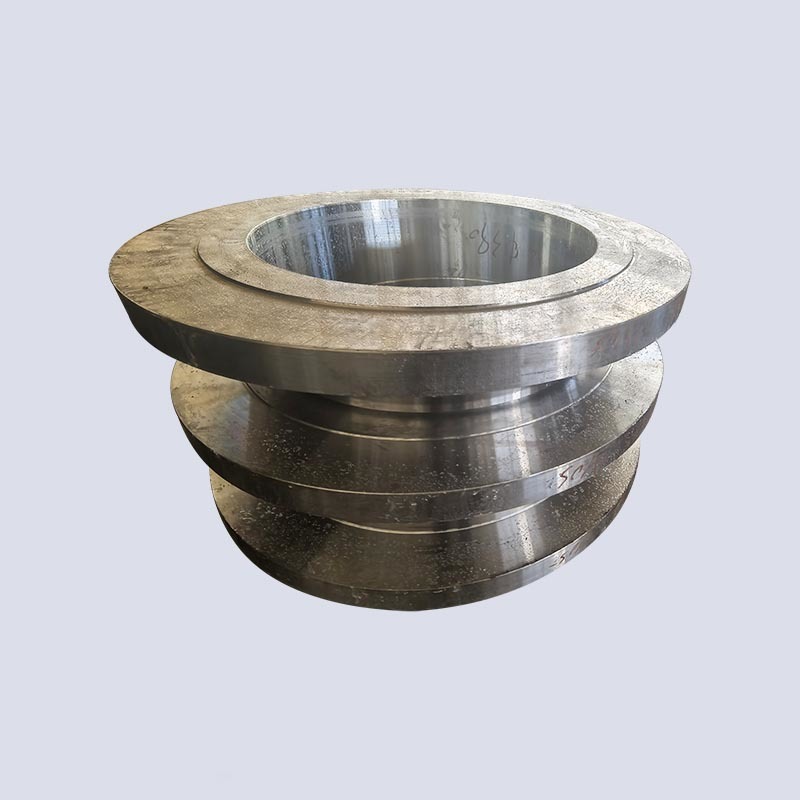
Understanding Thermal Insulation Pipe Fittings: Essential Components for Energy Efficiency
Thermal insulation pipe fittings are critical components in modern construction and building design, particularly in the realm of energy efficiency and system performance. These fittings are designed to minimize thermal transfer, thereby reducing energy costs and enhancing the effectiveness of heating and cooling systems. As professionals in the building materials industry understand, effective in
Oct 17,2025



Thermal insulation pipe fittings are critical components in modern construction and building design, particularly in the realm of energy efficiency and system performance. These fittings are designed to minimize thermal transfer, thereby reducing energy costs and enhancing the effectiveness of heating and cooling systems. As professionals in the building materials industry understand, effective insulation is crucial for maintaining optimal temperatures within pipes that transport hot or cold fluids.
One of the primary functions of thermal insulation pipe fittings is to prevent heat loss or gain as fluids travel through pipelines. This is particularly important in environments where temperature control is essential, such as in HVAC systems, industrial processes, and even domestic plumbing. By using thermal insulation pipe fittings, professionals can significantly reduce the energy required to maintain desired temperatures, leading to lower utility bills and a smaller carbon footprint.
In addition to energy savings, thermal insulation pipe fittings also contribute to safety. Insulated fittings can prevent the exterior of pipes from reaching dangerously high or low temperatures, reducing the risk of burns or frostbite during maintenance or repairs. Moreover, they help to minimize condensation, which can lead to water damage, mold growth, and other issues in construction settings. Properly insulated systems are not only safer for individuals who interact with them but also protect the structural integrity of buildings.
Another advantage of thermal insulation pipe fittings is their role in noise reduction. In plumbing and HVAC systems, the flow of liquids and gases can generate noise. Insulated fittings can help to dampen this sound, leading to quieter environments in residential and commercial spaces. Noise reduction is often overlooked but contributes significantly to the overall comfort of indoor spaces.
When selecting thermal insulation pipe fittings, several factors should be considered. The material of the insulation, the temperature range of the fluids being transported, and specific application requirements all play a role in determining the most suitable fitting. Professionals in the industry should also consider the longevity and maintenance needs of these fittings to ensure they provide lasting performance.
In summary, thermal insulation pipe fittings are indispensable for any construction project where energy efficiency, safety, and comfort are paramount. By understanding their benefits and applications, professionals in the building and decoration materials sector can make informed decisions that enhance system performance while also contributing to sustainability goals. As energy efficiency becomes increasingly important in today’s world, the role of thermal insulation pipe fittings will only grow in significance.
One of the primary functions of thermal insulation pipe fittings is to prevent heat loss or gain as fluids travel through pipelines. This is particularly important in environments where temperature control is essential, such as in HVAC systems, industrial processes, and even domestic plumbing. By using thermal insulation pipe fittings, professionals can significantly reduce the energy required to maintain desired temperatures, leading to lower utility bills and a smaller carbon footprint.
In addition to energy savings, thermal insulation pipe fittings also contribute to safety. Insulated fittings can prevent the exterior of pipes from reaching dangerously high or low temperatures, reducing the risk of burns or frostbite during maintenance or repairs. Moreover, they help to minimize condensation, which can lead to water damage, mold growth, and other issues in construction settings. Properly insulated systems are not only safer for individuals who interact with them but also protect the structural integrity of buildings.
Another advantage of thermal insulation pipe fittings is their role in noise reduction. In plumbing and HVAC systems, the flow of liquids and gases can generate noise. Insulated fittings can help to dampen this sound, leading to quieter environments in residential and commercial spaces. Noise reduction is often overlooked but contributes significantly to the overall comfort of indoor spaces.
When selecting thermal insulation pipe fittings, several factors should be considered. The material of the insulation, the temperature range of the fluids being transported, and specific application requirements all play a role in determining the most suitable fitting. Professionals in the industry should also consider the longevity and maintenance needs of these fittings to ensure they provide lasting performance.
In summary, thermal insulation pipe fittings are indispensable for any construction project where energy efficiency, safety, and comfort are paramount. By understanding their benefits and applications, professionals in the building and decoration materials sector can make informed decisions that enhance system performance while also contributing to sustainability goals. As energy efficiency becomes increasingly important in today’s world, the role of thermal insulation pipe fittings will only grow in significance.
Key words: